

Oto trzecie wydanie prasówki poświęconej dziennikarstwu, mediom, technologiom oraz fediverse. To przegląd najbardziej interesujących artykułów, które znalazłem w ciągu ostatnich dni i którymi - tak uznałem - warto się podzielić.
Poprzednie wydania prasówki (i każde następne) znajdziesz pod tym linkiem.
Media
AI-generated news sites spout viral slop from forgotten URLs
A new generation of content farms are harnessing AI to spin out clickbait — and they’re getting help from Google.
 Ben Paviour
Report and Connect: a manifesto for the survival of journalism in the AI age
A call for us to stop letting the tech companies define our work, and reset our focus on the audiences we need to survive
 Adam Tinworth
The podcast that has enough money: How “Raport o stanie świata” built a business on credibility
The Polish podcast became a crowdfunding success. Now, it offers a lesson in audience-first journalism.
 Hleb Liapeika
AI bots appear to be replacing human traffic on publisher websites
Human traffic to publisher websites is now in decline as bot traffic rises, according to data from AI licensing start-up, Tollbit.
 David Buttle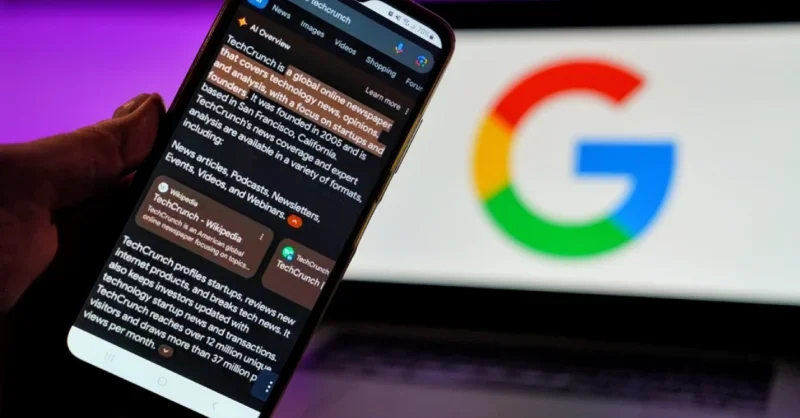
Young journalists are told to ‘build your brand.’ What does that even mean today? - Poynter
In demystifying this catch-all phrase, professors, media executives and journalists of all types weigh in
 Sophie Endrud
Technologia
Tim Berners-Lee: The internet needs compassion – and I have a solution
We need to regulate the most addictive algorithms, writes Tim Berners-Lee
 Tim Berners-Lee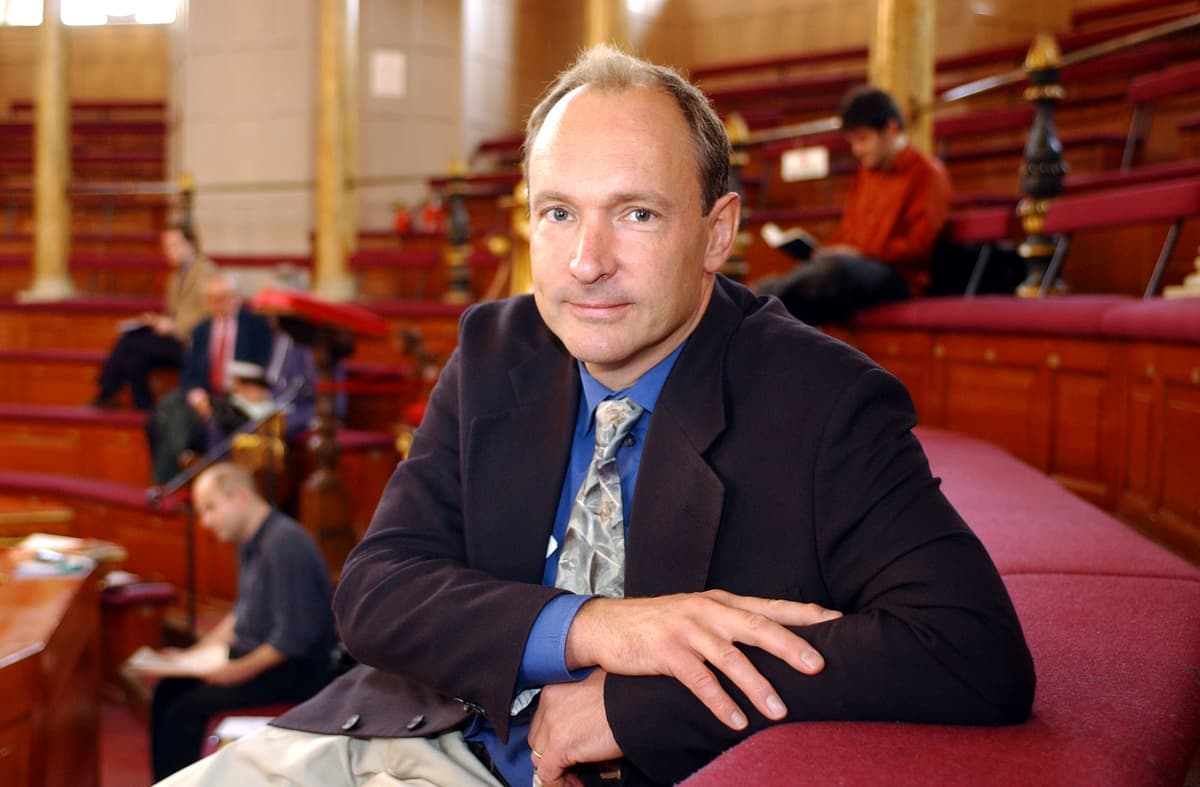
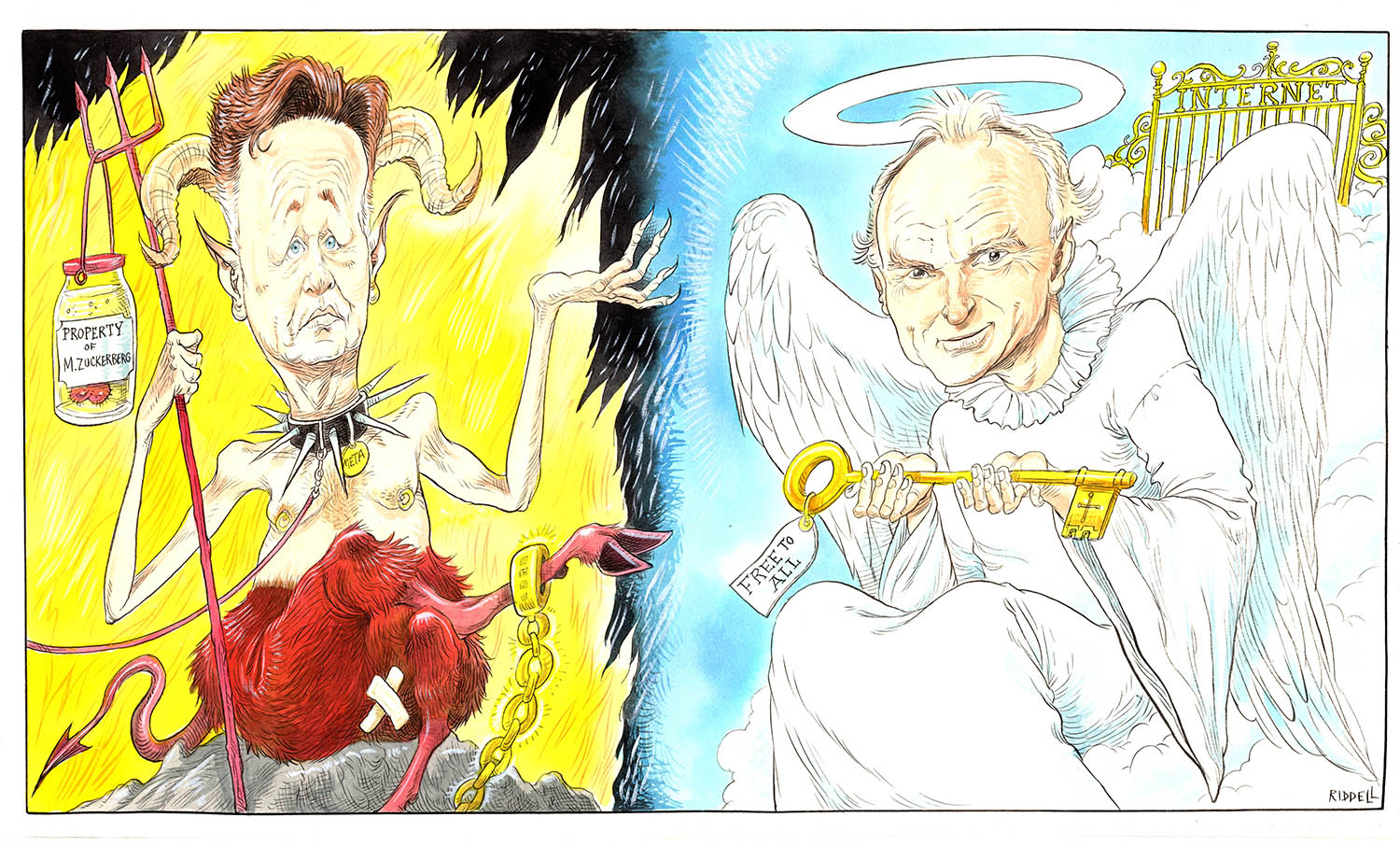
Nick Clegg and Tim Berners-Lee: the battle for the soul o...
The ex-deputy PM toes the line of his former Meta paymasters, while the web’s inventor shares his vision of a utopian digital future

Are we living in a golden age of stupidity?
From brain-rotting videos to AI creep, every technological advance seems to make it harder to work, remember, think and function independently …
 Sophie McBain
Jeden Palantir, by wszystkimi rządzić
Tolkien, CIA i europejska suwerenność: czy Europa powinna uzależniać się od korporacji powiązanej z amerykańskim wywiadem? fot. CC-BY-SA 2.0 Cory Doctorow za pośrednictwem net…
 didleth
Grozi nam nowy analfabetyzm. “Studiowanie tylko dla papierka nie ma sensu”
– Sztuczna inteligencja działa jak zwierciadło. Obnaża cały układ, w którym od dawna funkcjonujemy. Już od lat 90., a im bardziej wchodziliśmy w XXI wiek, tym to było bardziej widoczne. Zarówno uczący się, jak i uczący – wszyscy męczyliśmy się w tym układzie. Studiowanie tylko dla papierka nie miało sensu wtedy i nie ma sensu teraz – mówi filozof technologii, dr hab. Michał Krzykawski, profesor Uniwersytetu Śląskiego.
 Rafał Pikuła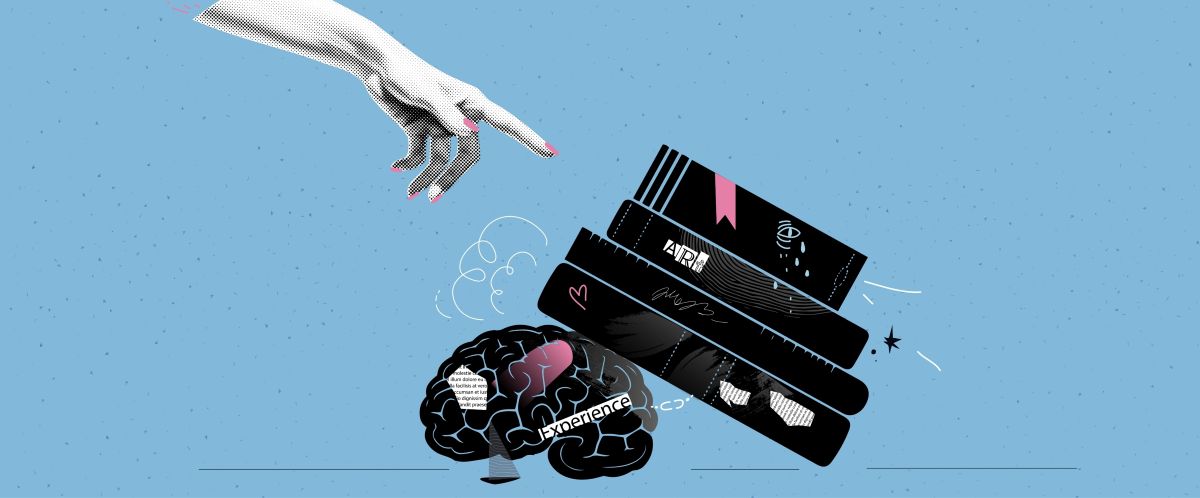
What Could Go Wrong? · Matthias Ott
Matthias Ott is an independent user experience designer and web design engineer from Stuttgart, Germany. He also teaches Interface Prototyping at the Muthesius Academy of Fine Arts and Design.
 Matthias Ott
The End of Windows 10 Support Is an E-Waste Disaster in the Making
In an example of egregious planned obsolescence, as many as 400 million computers will soon hit the waste stream.
 Jason Koebler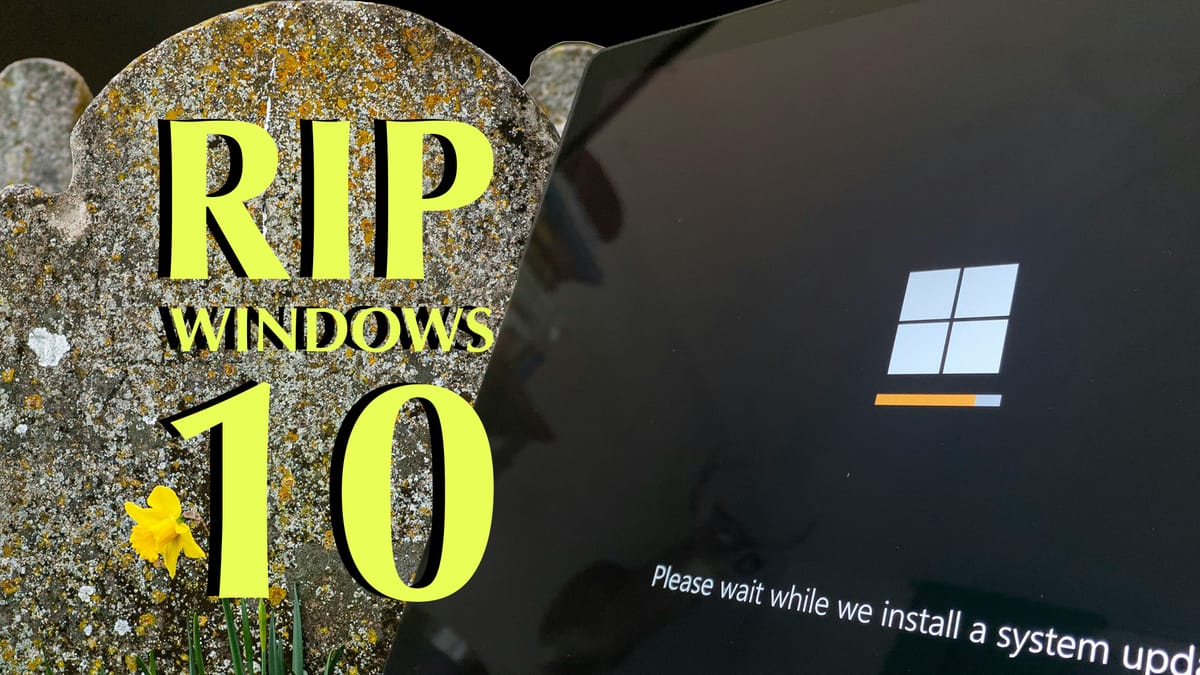
Europe Can’t Defend Democracy on US Servers | TechPolicy.Press
As long as 80 percent of European digital products and services originate in the United States, blackmail will thrive, writes Alexandra Geese.
 Alexandra Geese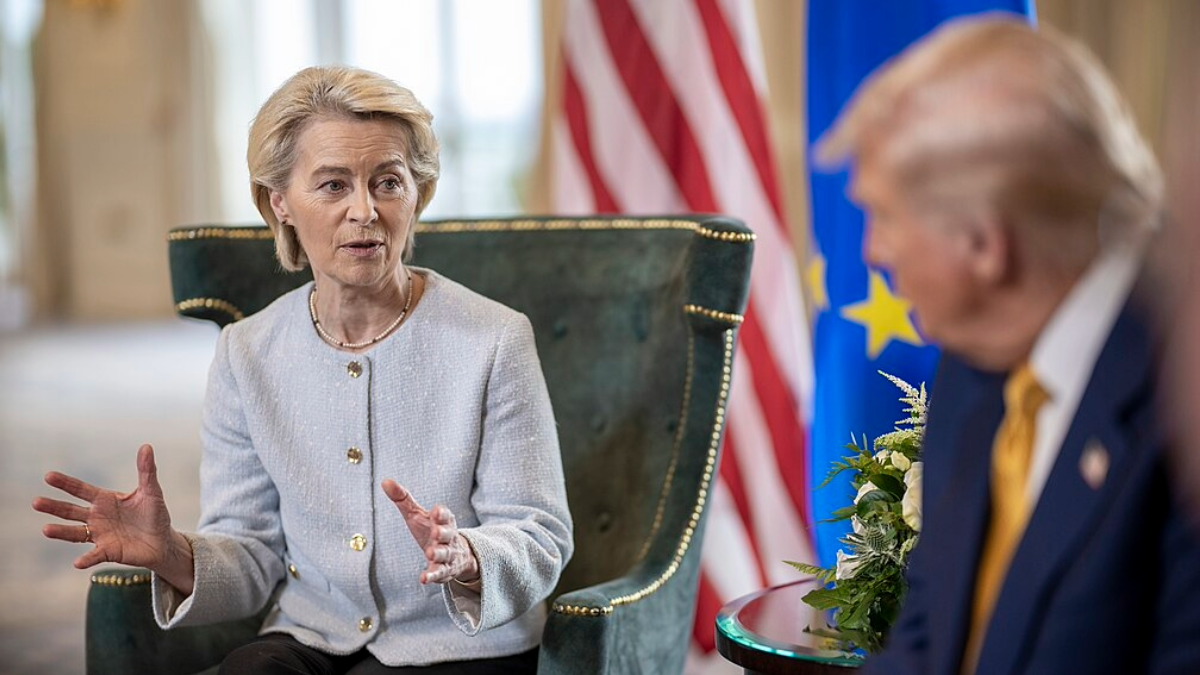
Głowacka: Płatna opcja Facebooka to tylko bat. Mecie chodzi o coś innego | Fundacja Panoptykon
 Fundacja Panoptykon Autor
AI używana w medycynie popełnia błędy w blisko 70 proc. przypadków
Badania włoskich naukowców wykazały, że chatboty sztucznej inteligencji, wykorzystywane w medycynie, popełniają błędy w blisko 70 procentach przypadków. Pomyłki wykryto w tak poważnych diagnozach, jak…
 Grupa Wirtualna Polska
Fediverse
Why the open social web matters now
The needs are real – and you have so much power.
 Ben Werdmuller
Yes, everything online sucks now—but it doesn’t have to
Ars chats with Cory Doctorow about his new book Enshittification.
 Jennifer Ouellette
Our ideas about Packs
Sharing our thoughts and plans behind sharing collections of accounts in the Fediverse.

Fot. Simonetta Pugnaghi / Unsplash
